HRV
Heart rate variability, resting heart rate and what those numbers say about regulation.
9 posts
Practical writing on HRV, sleep, recovery and training. Written for people who want to make sense of their Apple Watch data instead of only collecting it.
Today's edition
5 new perspectives for making better decisions with your health data.


How youth coaches prepare parent meetings, why documented development defuses the argument about playing time and which data belongs in the conversation.
Read the post
How heart rate variability is used in football, why the trend against the personal baseline is what counts, which measurement mistakes happen and how a team uses the values in practice.
Read the post
Studies show errors of 30 percent and more in sports watch energy expenditure while heart rate measurement performs well. What the calorie number is still good for, and what definitely not.
Read the post
Which data actually proves a football player’s development, how much documentation is realistic in club life and how notes become a development story per player.
Read the postArchive
Every earlier article, now in the new image-led G‑Stack design.

Resting heart rate, sleep, HRV, load: which sports watch values actually say something, which are mostly show, and why the first two weeks are only for wearing.
Read the post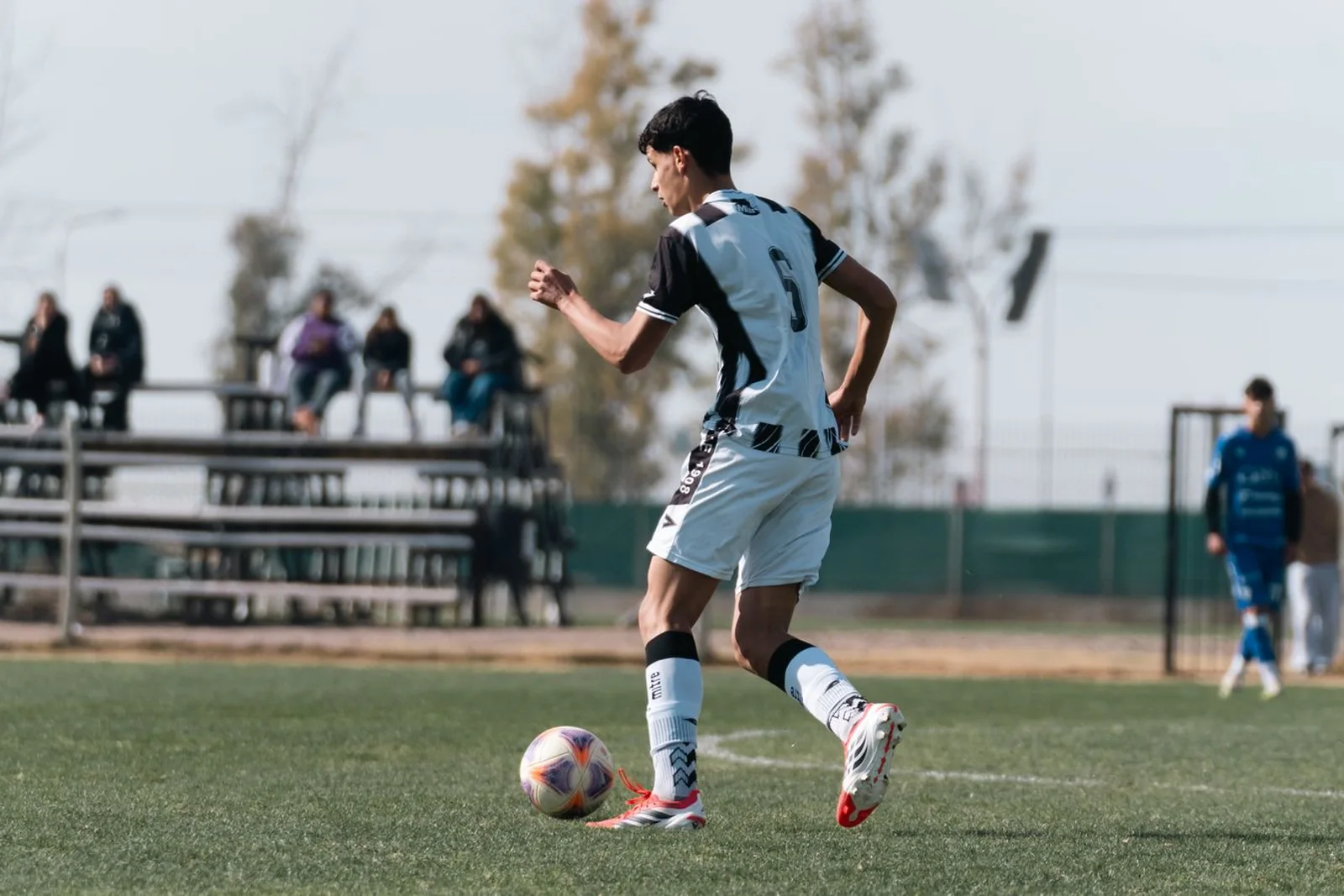
Why the warm-up impression comes too late, which morning values reveal a player’s readiness and how a squad overview supports the line-up on matchday.
Read the post
Professional clubs have long managed training through data. What a team dashboard needs to show for amateur and youth clubs, why three inputs are enough and where these systems fail in daily use.
Read the post
Load management with Excel: what a good spreadsheet needs, the three places where it tears in club life and when switching to a team dashboard pays off.
Read the post
How youth coaches measure training load with one number per session, why rapid load spikes are the real risk and what a weekly overview looks like in a team dashboard.
Read the post
What training management means, which methods have proven themselves in amateur football (session RPE, weekly load, ACWR, readiness) and how a club starts without a lab.
Read the post
Why sports watch and body feeling diverge on recovery, which measurement errors may be behind it and the simple rule for combining both signals.
Read the post
Why sports injuries in children and adolescents have been increasing for years, the role of growth, early specialisation, load spikes and sleep, and what clubs and parents can do about it.
Read the post
Where the 220 minus age rule came from, how far it deviates, which alternative is more accurate, and how to find your real value.
Read the post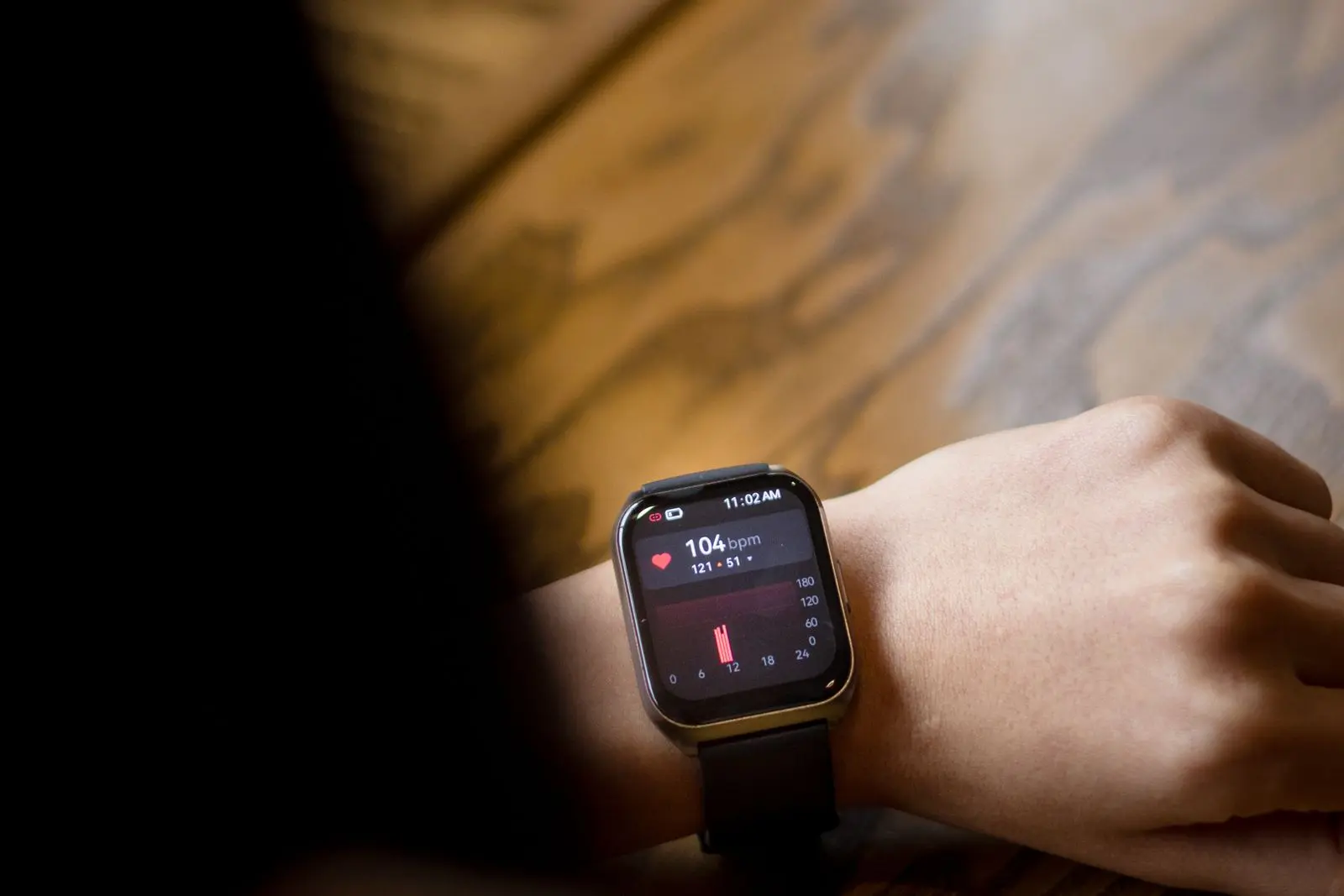
Which resting heart rate counts as normal in adults, why a low value is not automatically good, and when a rise actually means something.
Read the post
What sleep duration is recommended for adults, why your own need may legitimately differ, and how to find it without a lab.
Read the post
The neck check as a simple decision aid, why fever is a hard line, and what a sensible return after an infection looks like.
Read the post
Where the common guideline figures come from, why food counts, and the more reliable sign that you had enough.
Read the post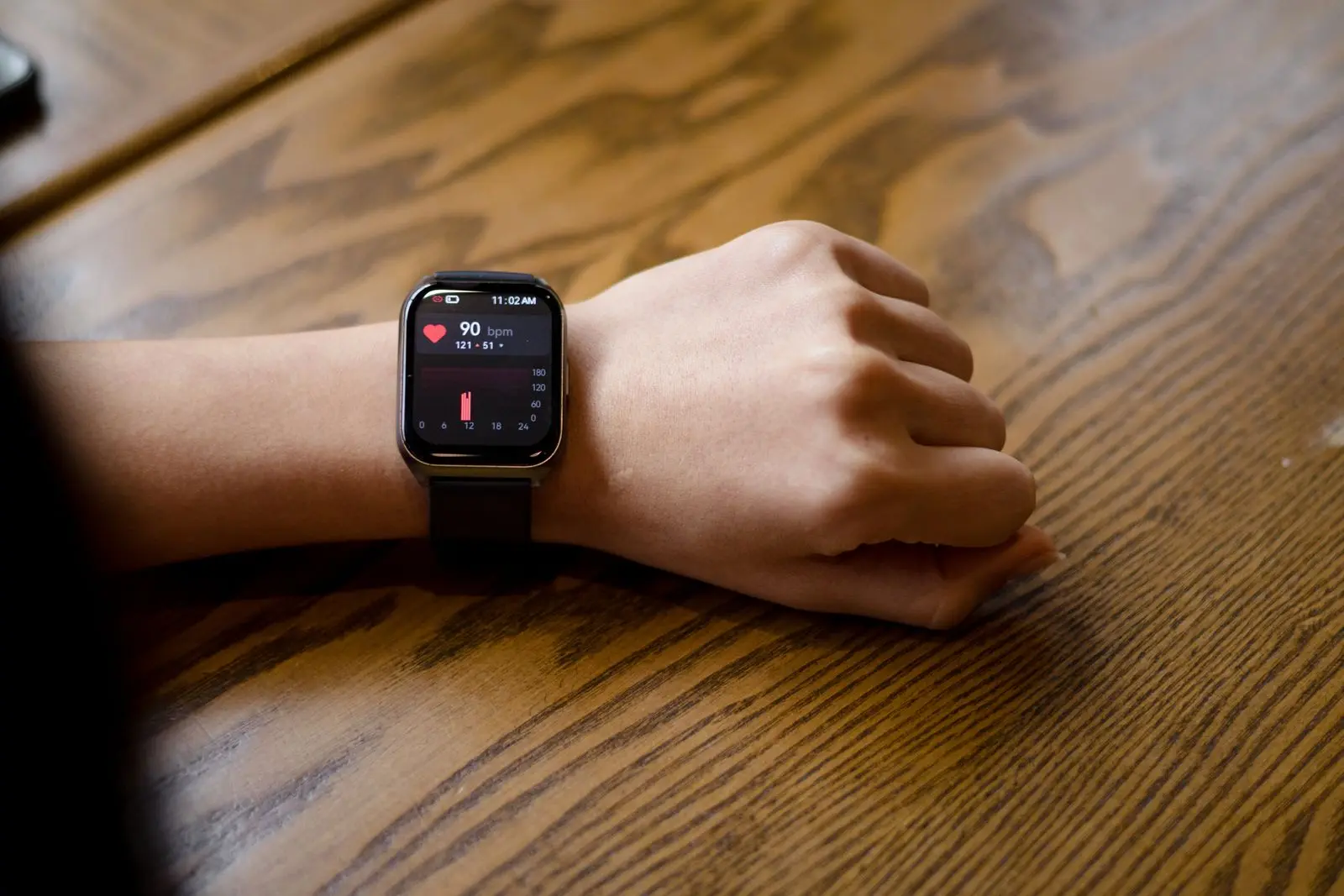
The HRV ranges that show up in studies of healthy adults, how strongly age shifts them, and why your own baseline beats any chart.
Read the post
Why brief waking between sleep cycles is ordinary physiology, when it tips into a disorder, and what actually helps in the moment.
Read the post
Why the same muscle group needs anywhere from one to four days, what soreness really tells you, and how to recognise that recovery is done.
Read the post
How much REM sleep is typical in adults, why a low reading is usually harmless, and the four things that reliably cut it short.
Read the post
Where the 10,000 really came from, what large analyses show as the useful range, and why the number adds up more easily in company.
Read the post
Why HRV drops and heart rate rises after alcohol, how strongly dose matters, and how to observe your own response cleanly.
Read the post
What research says about ideal nap length, why 30 minutes often backfires, and when napping starts to threaten your night sleep.
Read the post
Why a reduced training week is not a lost week, what studies say about losing muscle and strength, and how to structure a deload in practice.
Read the post
Why sleep suffers at high temperatures, what sensor and wearable studies show, and which ways of cooling down actually help.
Read the post
The Köhler effect explains why people train markedly longer with a partner, which conditions it needs, and how to put it to work for you.
Read the post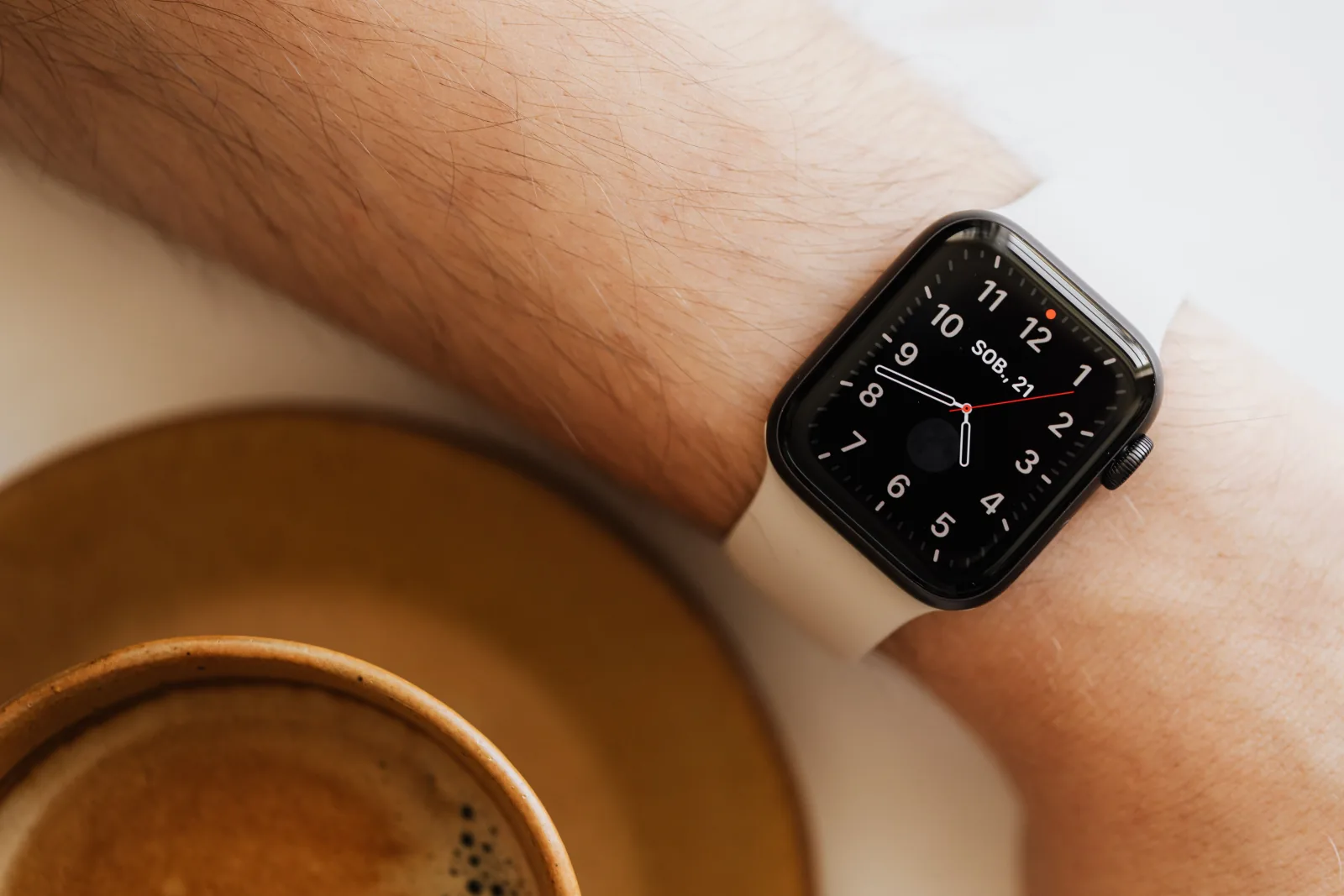
When coffee can influence an HRV reading, why the direction is not predictable, and how to keep measurements comparable.
Read the post
What longer weekend sleep can restore, what may remain, and how to recover without creating a large schedule shift.
Read the post
Why Zone 2 is not one universal heart-rate number, and how the talk test, perceived effort and repeatable sessions can define a useful field range.
Read the post
What a stress score built from heart rate and HRV can show, what it misses, and how to examine patterns without overrating one reading.
Read the post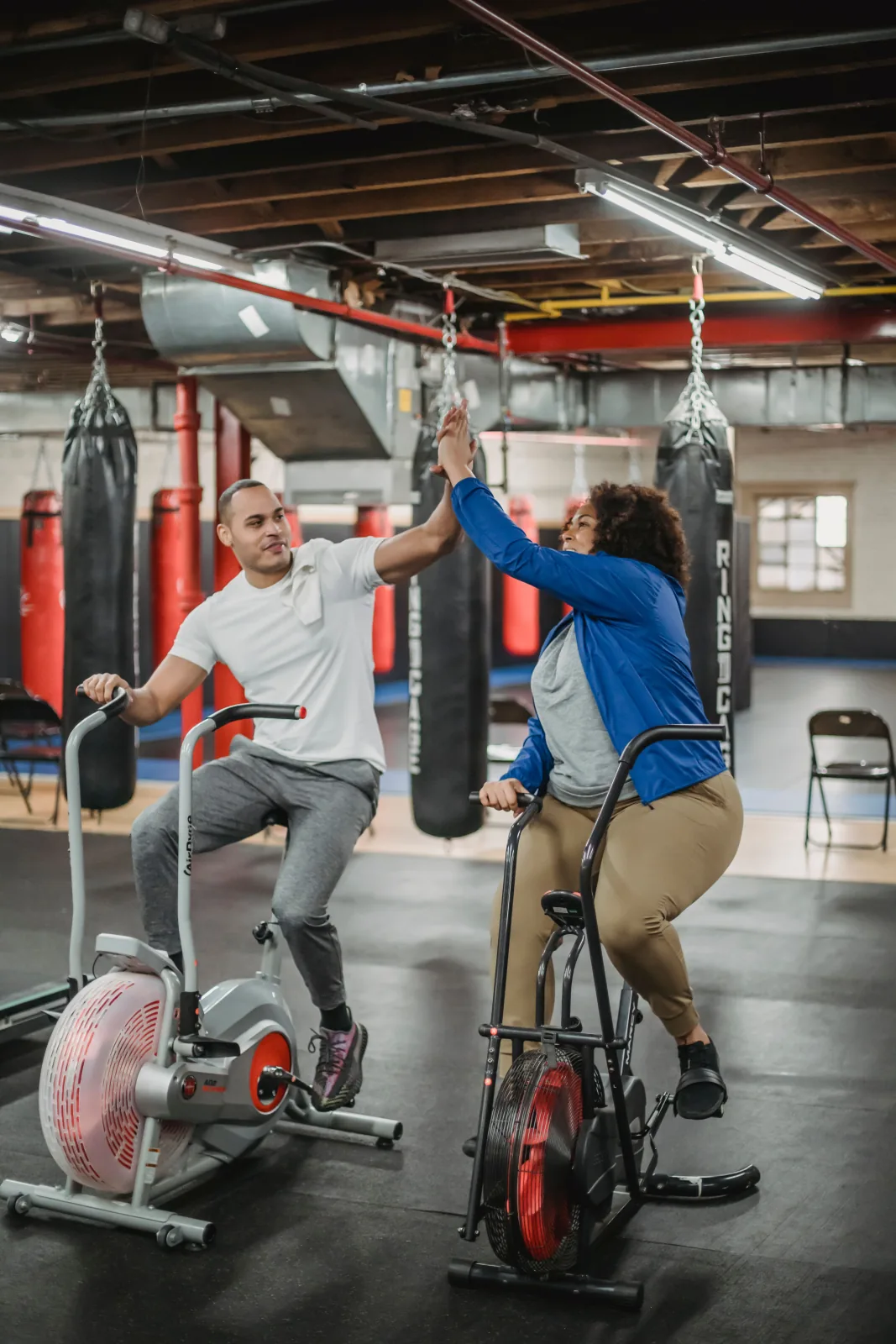
A useful fitness streak rewards meaningful consistency rather than daily intensity. Here is how rest, motivation, and personal goals can belong to one routine.
Read the post
What to do when HRV and how you feel do not match, without turning one morning reading into an order for the day.
Read the post
A practical seven-night experiment for observing your sleep rhythm without trying to optimise every sleep stage.
Read the post
Turn readiness, how you feel and the goal of a session into a graduated choice instead of reading one score as permission or prohibition.
Read the post
Short movement sessions can lower the barrier to starting. What exercise-snack research shows, where its limits sit, and how to plan them sensibly.
Read the post
Why one shared step target is rarely fair, and how personal baselines, recovery, and social rules can turn a challenge into useful motivation.
Read the post
How much your nightly HRV is expected to move, what drives the swings, and the point where a deviation actually means something.
Read the post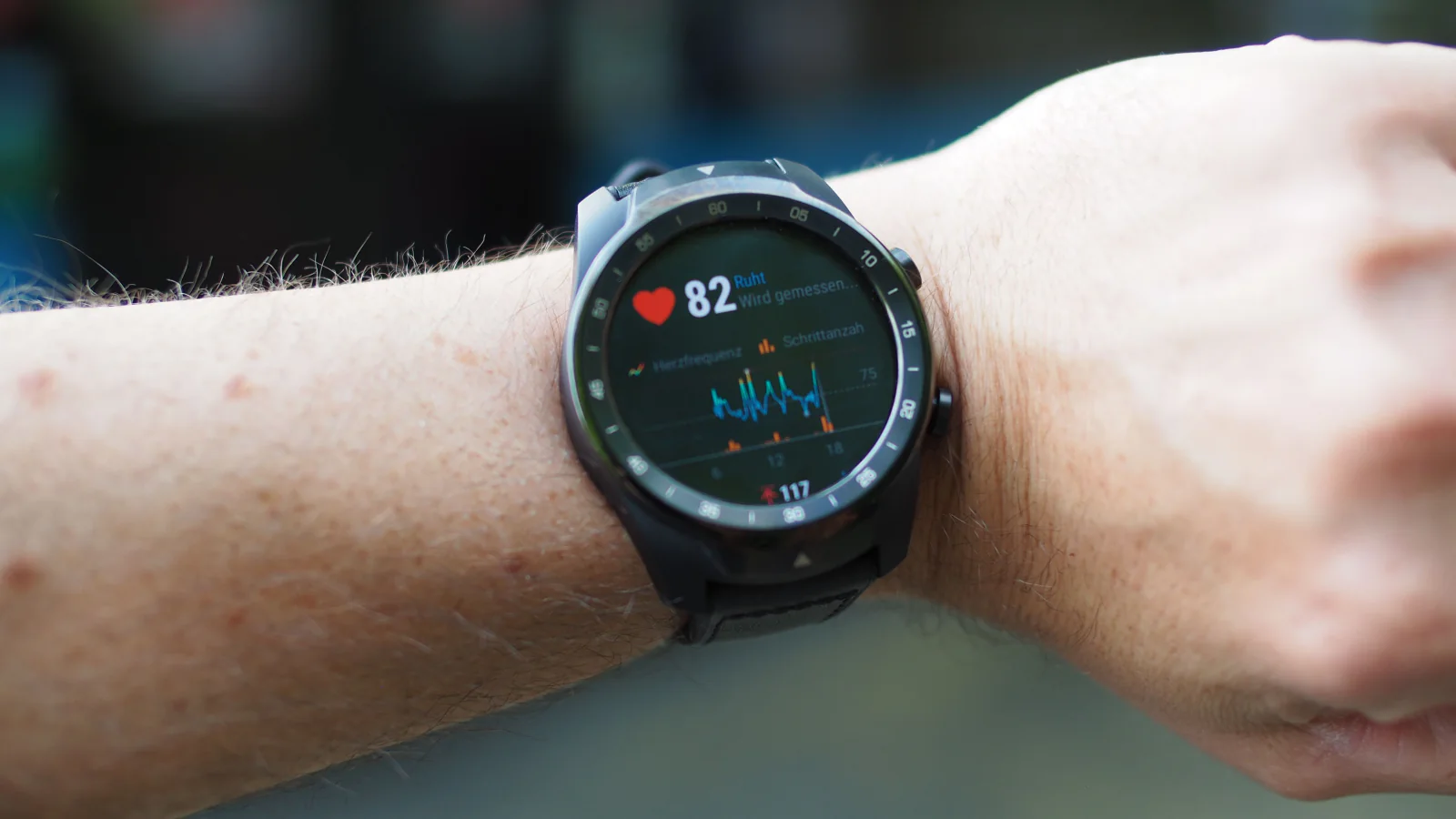
What heart rate variability actually measures, why there is no normal value, and how to read your own trend without overreacting to it.
Read the post
Where an AI coach with access to your data genuinely helps, what it necessarily fails at, and how to get useful answers out of it.
Read the post
Why HRV and resting heart rate look different on rotating shifts, where the measurement hits its limits, and how to read your trend anyway.
Read the post
What goes into a daily readiness value, why the weighting is harder than it looks, and the situations where the score is simply wrong.
Read the post
Why resting heart rate and HRV do not measure the same thing, what it means when they diverge, and which combinations are worth acting on.
Read the post
Why shift work breaks the rhythm, which lever actually works, and which routines hold up when the roster keeps changing.
Read the post
Why eight hours is not a target, what sleep quality actually means, and which lever gives you the most in daily life.
Read the post
What share of deep sleep is typical, why wearables can only estimate it, and what reliably reduces it.
Read the post
How to adapt a training plan to your recovery values without skipping a session every time a number looks bad, and when to ignore the number entirely.
Read the postGearstack Health
Gearstack brings sleep, HRV, load and training into one context you can act on today.
Download free on the App StoreWhat we write about
Heart rate variability, resting heart rate and what those numbers say about regulation.
9 posts
Sleep stages, recovery and why quality counts for more than raw duration.
7 posts
Load, recovery and how to place sessions around your daily readiness.
16 posts
Shift work, stress and routines that fit into a day that is already full.
10 posts
Fair challenges, teams and motivation that respect different starting points.
6 posts