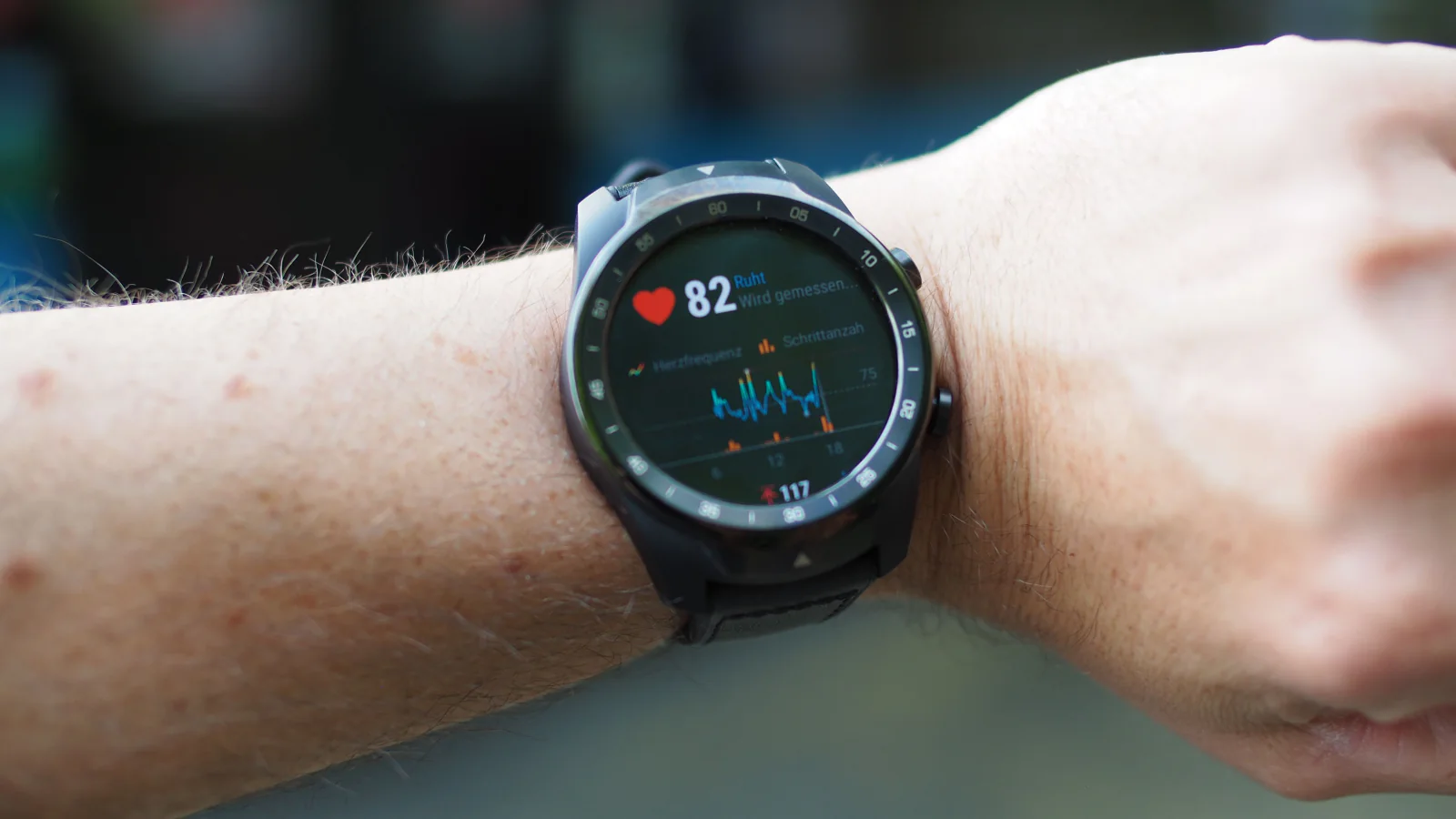
HRV is the most misread number on your watch. It is not a fitness score and not a health certificate. It is a hint at how well your body currently switches between effort and recovery. This post sorts out what the number can do and what it cannot.
What HRV actually measures
Your heart does not beat like a metronome. One gap between beats is 900 milliseconds, the next is 960, and that variation is heart rate variability. It exists because two branches of your autonomic nervous system pull against each other: the sympathetic branch speeds things up, the parasympathetic branch slows them down. When the braking side is active, the gaps vary more. When your body is under load, the rhythm gets more even. That is why a higher HRV usually signals that your system has capacity right now, and a lower one signals that it is busy. The important part: HRV does not measure health, it measures regulation. It says something about how flexibly your body moves between two states.
Why your value is not comparable to anyone else
The most common beginner mistake is looking at other people’s numbers. HRV varies enormously between individuals. A 25-year-old might sit at 90 milliseconds, a 55-year-old at 25, and both can be perfectly healthy. Age is the strongest factor, followed by genetics, training history, body composition and the time of day you measure. There is no normal range you belong to. There is only your own range, and it takes two to four weeks of consistent measurement before it becomes visible. From then on the number gets useful, because you can tell an ordinary Tuesday from a real deviation. Compare yourself to your own trend, not to a screenshot from a forum.
SDNN and RMSSD: two metrics, one signal
In practice you will meet two metrics. RMSSD measures the differences between consecutive beats and responds strongly to the parasympathetic side. It holds up well in short recordings, which is why many sports apps default to it. SDNN measures the spread of all intervals across the whole recording window and therefore captures more, including slower rhythms such as breathing and circulatory regulation. Which of the two is more informative depends on the purpose. For short-term stress, RMSSD is the metric most studies use. For longer recordings and for screening questions around depression and anxiety, SDNN performs better, partly because it is more robust against the gaps optical sensors leave. Apple Watch reports SDNN, measured over roughly one minute. Gearstack works with that and only falls back to an estimate from heart rate when a night has no HRV reading at all.
Why night is the honest measurement window
An HRV reading taken in the middle of the day mostly tells you about the last ten minutes. Coffee, a phone call, two flights of stairs, all of it shifts the value. Sleep is the only window where conditions stay reasonably constant: you lie still, you breathe evenly, nothing is scheduled. Night values are comparable between two days, daytime values barely are. The condition is that the watch is actually worn. Without a nightly reading you have no baseline, and every statement about your daily readiness stays a guess. If you change one habit only, make it this one: keep the watch on at night and charge it during the day.
What a drop can mean
A single low value is rarely interesting. Two or three days below your average are. Typical reasons are short or restless sleep, alcohol the evening before, a hard session still working its way through, an infection starting, heat, or sustained stress. Alcohol is the most reliable effect of them all: it measurably lowers nightly HRV, often more than an intense workout does. What the number does not tell you is the cause. It shows that your system is busy, not what with. Interpreting it stays your job, and that is exactly why sleep, training load and resting heart rate sit next to it.
How to use the number day to day
Treat HRV as a direction indicator, not a daily order. If it sits above your average and sleep was decent, that is a good day for a hard session. If it stays below for several days, that is an argument for easy training, an earlier bedtime, or a day without a plan at all. What you should avoid is adjusting every morning: the number fluctuates without reason too, and rebuilding your life daily means reacting to noise. Seven-day average over single value, trend over snapshot. If you notice persistently low values and rest changes nothing, that is a reason for a conversation with a doctor, not for another app.
Common questions
- What is a good HRV value?
- None in general. The spread between people is larger than the fluctuation within one person. A value is good when it sits inside your own range or above it. That is why any meaningful reading needs two to four weeks of history first.
- Why does another app show a different number?
- Because different metrics and measurement windows are used. RMSSD and SDNN produce different numbers for the same night, and a sixty-second recording gives a different result than one across the full sleep phase. Values are only comparable within the same source.
- Do I really have to wear the watch at night?
- For values you can rely on, yes. Without a nightly reading you lose the only reasonably constant condition, and your trend ends up made of daytime readings shifted by coffee, movement and appointments.
For clubs: Eleven players, eleven readiness scores
Sources
Gearstack Health
Your numbers in context
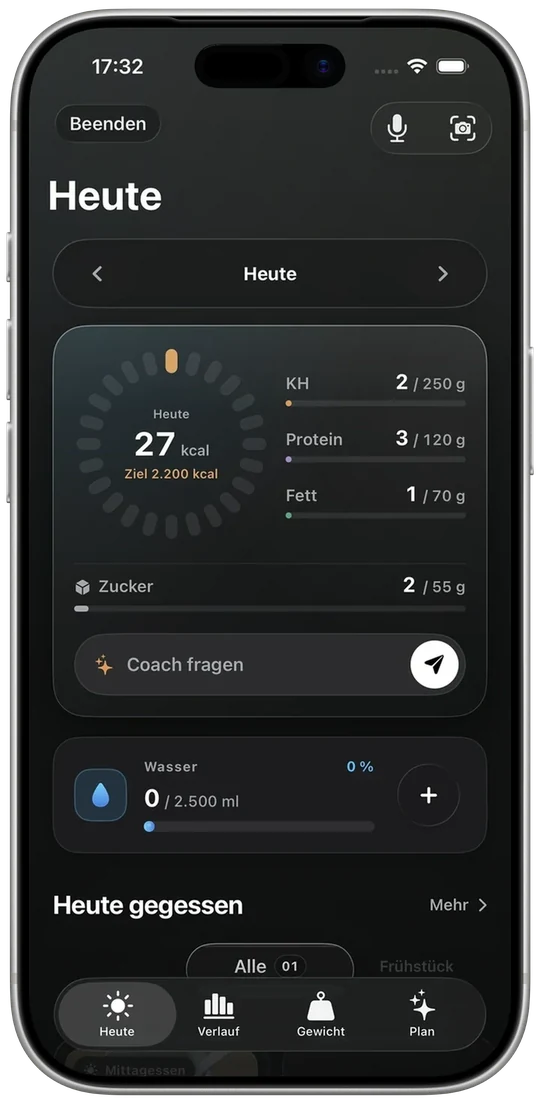
Gearstack Health turns HRV, sleep and training into a daily readiness view with clear next steps.
Gearstack Health is a wellness and prevention product, not a medical device. This text does not replace medical diagnosis, treatment or emergency care.
AI-assisted, reviewed by Kristijan Bezjak, founder of Gearstack.