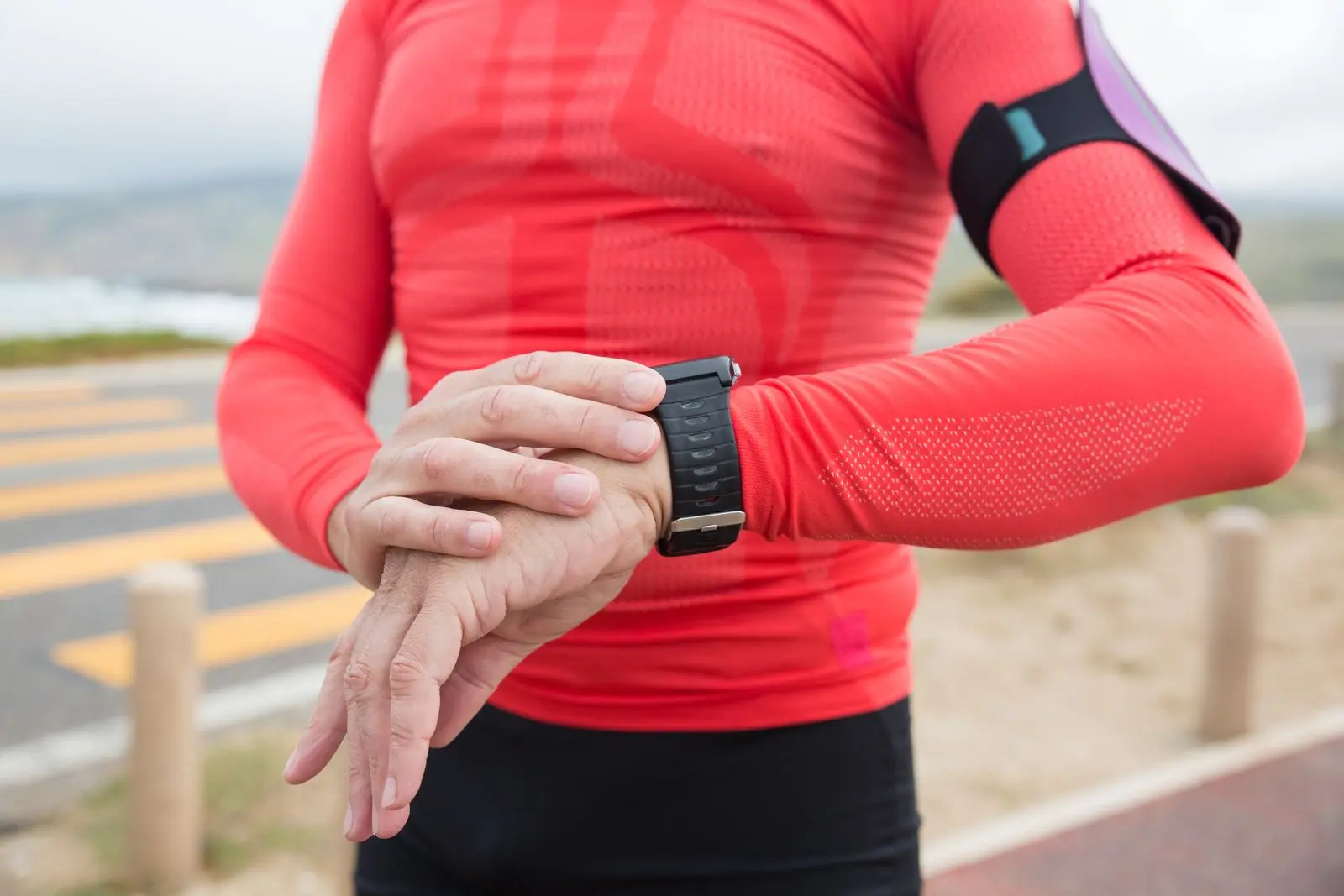
The watch says the run burned 642 kilocalories, and with that precision the number looks very scientific. The research on this is clear and sobering at once: modern watches measure heart rate well and estimate energy expenditure poorly. Whoever files the number correctly can still use it, just not for what most people use it for.
What the studies actually measured
The best-known investigation comes from Stanford: seven common wrist devices were tested against lab methods, indirect calorimetry for energy expenditure, ECG for heart rate. The result split in two. For heart rate, the median error of most devices stayed in the low single-digit percent range, decent for everyday use. For energy expenditure the best device was off by around 27 percent, the worst by more than 90. A large review across dozens of studies confirms the pattern: steps and heart rate usable, energy expenditure commonly off by more than ten percent, often far more.
Why calories are so hard to estimate
The watch does not measure expenditure, it computes it from proxies: heart rate, movement, height, weight, age. Actual expenditure additionally depends on things no wrist sensor sees: muscle mass, fitness level, surface, wind, technique and plain individual physiology. Two people of equal weight can burn noticeably different amounts on the same run. Heart rate as the main ingredient distorts further: heat, nerves or caffeine raise it without any extra energy flowing, and in the weight room it is a notoriously poor expenditure indicator.
What the number is still good for
The calorie figure is not useless, it is mislabelled. Its error is fairly constant for the same person and similar sessions, which turns it into a comparison value: same run, same route, same watch, and the difference between this week and spring tells something real about volume and intensity. As a rough order of magnitude, whether a session cost closer to 300 or to 900 kilocalories, it works too. Only the digits behind the hundreds deserve no trust; they are precision theatre.
The equation that does not work: watch plus food app
The number becomes a problem where it serves as a balance sheet: burned calories from the watch against eaten calories from the nutrition app, with the difference steering weight loss. Both sides of this equation are estimates with double-digit errors, portion sizes get underestimated as reliably as activity calories get overestimated, and whoever eats back the watch calories systematically eats the measurement error too. For steering weight, the scale trend over weeks with steady eating habits is a more honest instrument than the difference of two estimates.
What to look at instead
For training and recovery the same watches deliver values that are worth far more: heart rate and its zones during the session, resting heart rate and HRV as recovery measures over weeks, and load from duration and effort. Gearstack deliberately does not use the calorie number as a control variable; the readiness score computes with sleep, HRV, resting heart rate and training load, the measurements where watches are strong. The calorie tile may remain what it is: an entertaining estimate at the end of the run, not a basis for decisions.
Common questions
- How large is the calorie error concretely?
- In the Stanford investigation the median error ranged from about 27 to over 90 percent depending on device; no tested device stayed below 20. A review across dozens of studies confirms: for energy expenditure, wearables commonly deviate by double digits.
- Is the watch’s heart rate measurement just as inaccurate?
- No, that is the important difference: optical wrist heart rate came out within a few percent in the same studies, especially at rest and during steady effort. Its limits show in intervals and strength training.
- Can I lose weight with the watch calories?
- As motivation and comparison, yes; as a balance sheet, no. Whoever nets burned watch calories against eaten app calories is netting two rough estimates. The weekly scale trend with steady habits is the more honest steering instrument.
Sources
- Accuracy in Wrist-Worn, Sensor-Based Measurements of Heart Rate and Energy Expenditure in a Diverse Cohort (Shcherbina et al., J Pers Med 2017)
- Reliability and Validity of Commercially Available Wearable Devices for Measuring Steps, Energy Expenditure, and Heart Rate (Fuller et al., JMIR mHealth 2020)
Gearstack Health
Your numbers in context
Gearstack Health turns HRV, sleep and training into a daily readiness view with clear next steps.
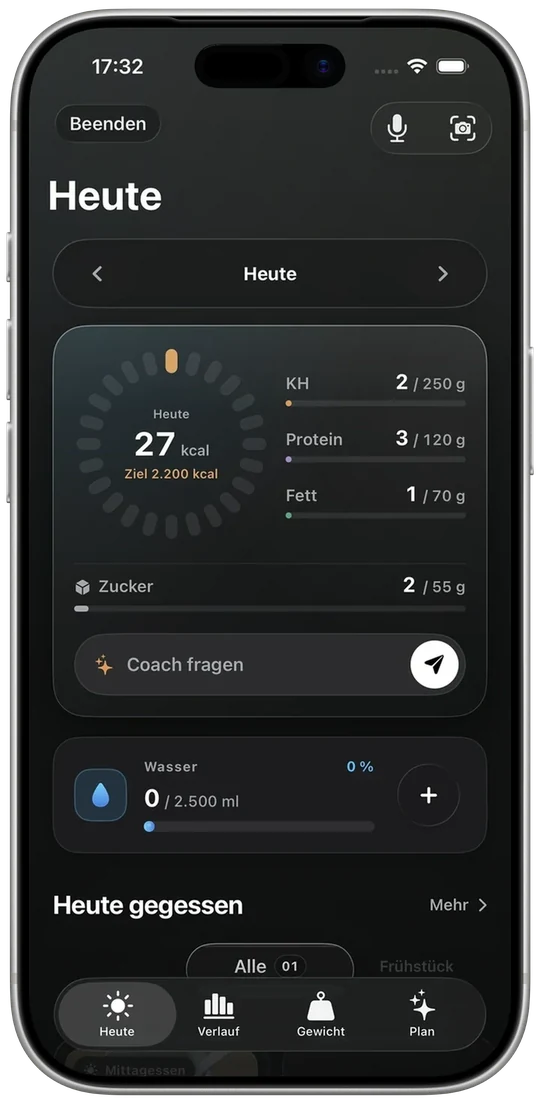
Gearstack Health is a wellness and prevention product, not a medical device. This text does not replace medical diagnosis, treatment or emergency care.
AI-assisted, reviewed by Kristijan Bezjak, founder of Gearstack.