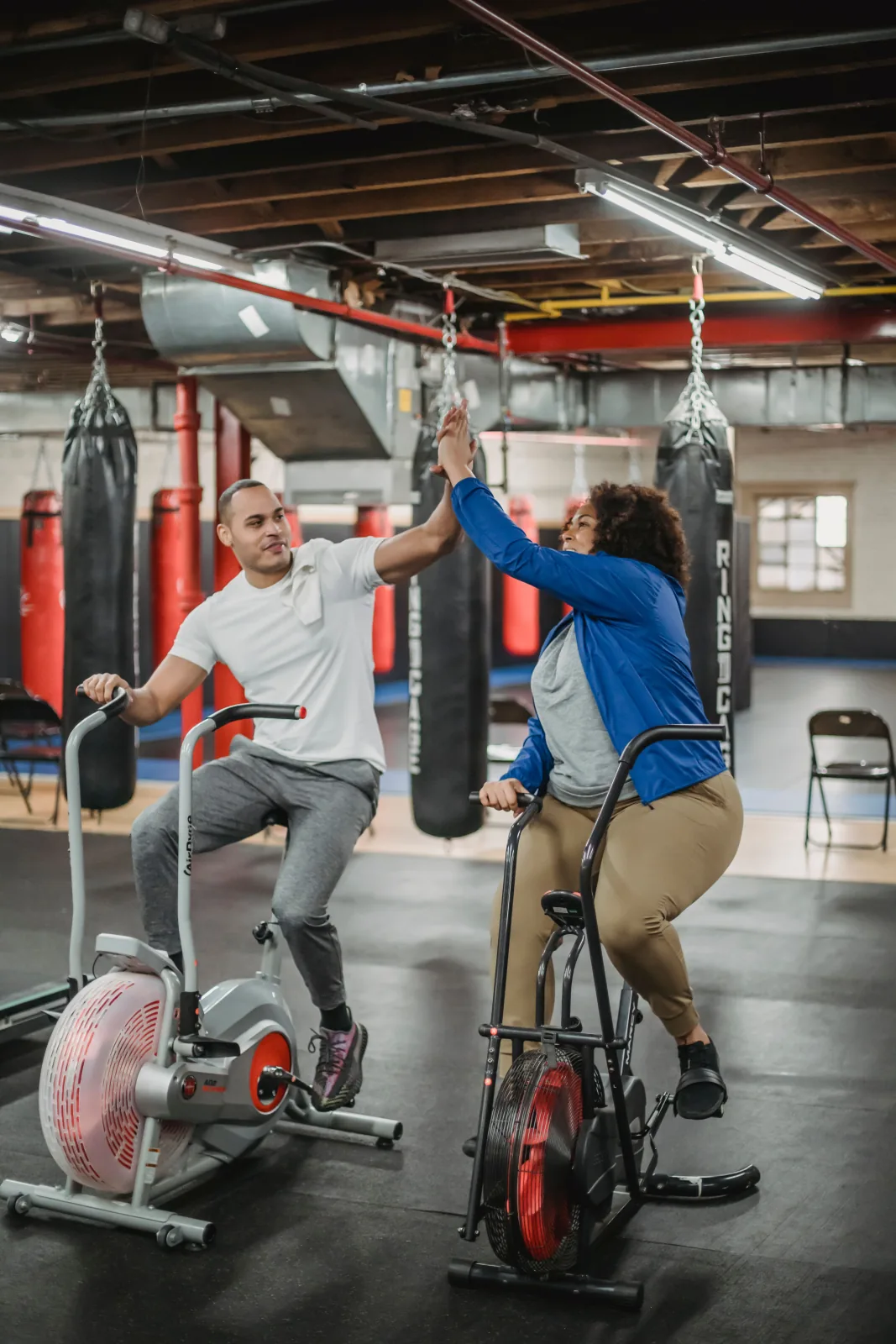
A streak can make the next step easier. It can also push you to train while exhausted just to stop a number returning to zero. The problem sits in its rule. When only daily exertion counts, recovery becomes a failure. A better streak measures whether you followed a sensible plan, including the days when that plan deliberately says rest.
What gamification can actually do
Randomized trials show that points, levels, and social incentives can increase physical activity during an intervention. Support, collaboration, and competition all had an effect in the STEP UP trial; another trial in veterans found a modest increase that did not persist after the intervention ended. That is a useful reality check: a game can prompt behavior, but it does not automatically build a durable habit. The populations, step goals, and study durations also limit how broadly the findings apply to training, recovery, or any one person.
Why a rigid daily rule can turn against you
A classic streak recognizes only complete or broken. That is easy to understand, but it ignores training plans, illness, travel, and sleep. When the same activity target must be met every day, a necessary rest day can feel like a loss. Motivation then shifts: the meaningful next step matters less than avoiding a red zero. Research grounded in self-determination theory suggests that more autonomous motivation and a sense of choice matter for longer-term participation. This does not prove that streaks are harmful, but it supports a practical design principle: the streak should serve your plan, not replace your decision.
Define consistency as following the plan
A robust streak can recognize several kinds of successful day. A training day counts when the planned session was completed sensibly. A recovery day counts when rest, sleep, or easy movement was genuinely the plan. An adjusted session can count when readiness or symptoms justified reducing the load. The mechanic then rewards an explainable decision rather than maximum effort. Set the rules in advance: what qualifies as rest, how often can a target change, and when should a streak end honestly instead of being quietly extended?
Use weeks instead of perfect calendar chains
Many training goals fit a week better than every individual day. Three strength sessions, two easy endurance sessions, and two recovery days can make a complete week even though the days do not look alike. A weekly streak tolerates schedule changes while still showing reliability. It is also fairer for teams and friends when each person pursues a personal goal and the share of planned days completed is what counts. That keeps the largest absolute step total or most training minutes from winning automatically.
Check whether the routine works without points
A good streak makes progress visible, but it should not be your only reason to move. Ask regularly: does this target still fit my life? Do I feel supported or controlled by the streak? Can I restart after an interruption without guilt? If motivation disappears as soon as points and notifications stop, the routine may need a stronger personal reason. The best streak keeps movement, recovery and real choice together over months.
Common questions
- Should a rest day really count toward a fitness streak?
- Yes, when it was part of the plan set in advance. The streak then represents consistent training management, not exertion alone. A spontaneous excuse and a planned recovery day are not the same thing.
- What should I do when my streak still breaks?
- Restart with one small next step and review the rule. A streak that keeps punishing illness, travel, or a demanding week may be too rigid. Restarting is part of a routine, not proof that it failed.
For clubs: Eleven players, eleven readiness scores
Sources
Gearstack Health
Build a streak that includes recovery
Gearstack connects daily readiness, training, and recovery so the next sensible step can count, even when today should deliberately be easier.
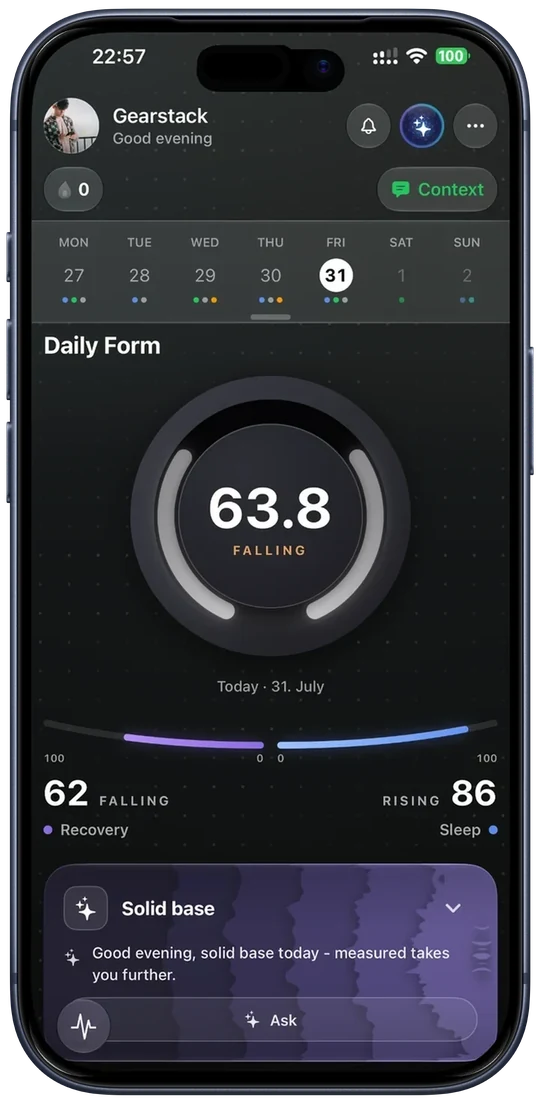
Gearstack Health is a wellness and prevention product, not a medical device. This text does not replace medical diagnosis, treatment or emergency care.
AI-assisted, reviewed by Kristijan Bezjak, founder of Gearstack.