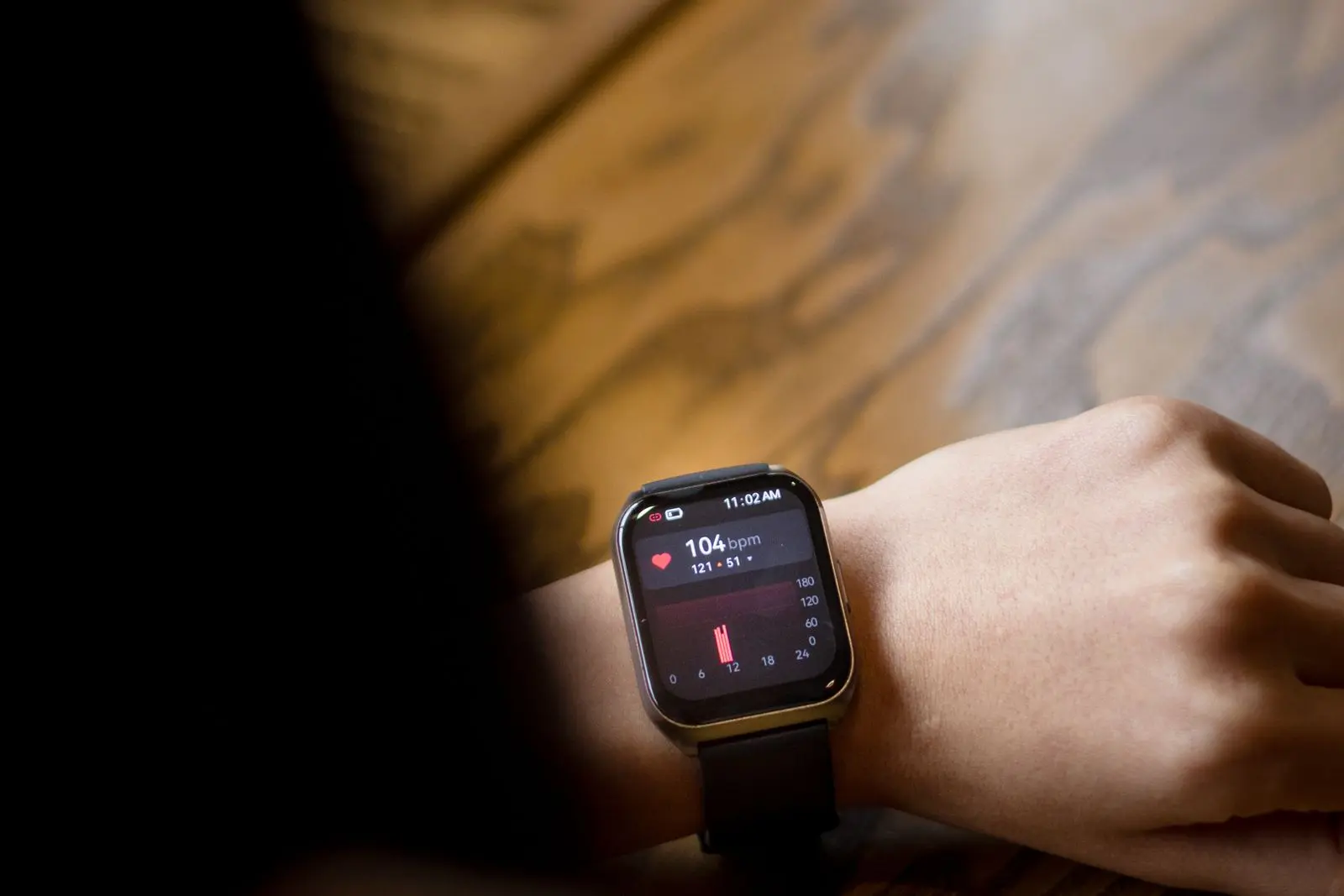
Resting heart rate is the oldest and easiest number in health, and it still gets misread constantly. The familiar range of sixty to a hundred is so wide it says almost nothing. The value becomes interesting only when you read it against yourself.
What counts as normal
For adults a range of sixty to a hundred beats per minute is usually given as normal. That range comes from clinical routine and marks not health but the boundaries where a closer look begins. Inside it, fifty-eight is as unremarkable as eighty-two. Endurance-trained people often sit between forty and sixty, and in some athletes even lower values are unremarkable, because the heart moves more blood per beat and therefore needs fewer of them.
Why low does not automatically mean good
A low resting heart rate is a sign of adaptation in trained people. In someone who does not train and whose value suddenly drops, it is not. Certain medications, beta blockers above all, lower the rate regardless of training state. Conversely, seventy-five in an untrained person is not a warning sign but the ordinary case. The number carries no verdict on its own; only the context of your history makes it readable.
What shifts the value the same day
Four things act immediately. Caffeine lifts the rate for several hours. Alcohol lifts it across the whole night, often by five to ten beats. A warm room drives it up, because the body has to shed heat. And any excitement, pleasant ones included, shows up. That is why the only well-comparable measurement point is early morning lying down before you get up, or the nightly low your watch reports.
The age effect is smaller than expected
Unlike heart rate variability, which declines markedly across the decades, resting heart rate changes surprisingly little through adult life. Maximum heart rate clearly falls with age, the resting value largely holds. What shifts is training state, and that often gets attributed to age. Someone with the same resting heart rate at sixty as at thirty usually did not stop the clock, they kept moving.
When a rise means something
What matters is not the height but the deviation from your own average. Five to ten beats above your normal night, two or three nights running, is a reliable sign that your body is busy with something: an infection starting, too little sleep, a hard training week or alcohol. In that constellation resting heart rate is often noticeable before your own perception is, and that is where its value lies.
How to measure comparably
Pick one source and stay with it. If your watch reports a nightly low, that is the best available value, because it arises under identical conditions without your involvement. Without it, measure for a minute in the morning while still lying down. Collect two weeks before interpreting anything. After that you no longer need a chart, because you have your own reference.
Common questions
- My resting heart rate is 48. Should I get it checked?
- If you train endurance regularly, feel capable and have no symptoms, that is typical adaptation. If dizziness, breathlessness or faintness come with it, or the value dropped suddenly without training, it belongs with a doctor.
- Why is my resting heart rate lower on holiday?
- Fewer appointments, more sleep, no time pressure. Resting heart rate reflects total load, not only the athletic part. That is exactly why it works as an early indicator for stretches where too much piles up.
- Can I lower my resting heart rate on purpose?
- Yes, but slowly. Regular endurance work over weeks to months is the most effective route, alongside enough sleep and less alcohol. A value that drops ten beats from one week to the next comes from measurement conditions rather than real adaptation.
Sources
Gearstack Health
Your numbers in context
Gearstack Health turns HRV, sleep and training into a daily readiness view with clear next steps.
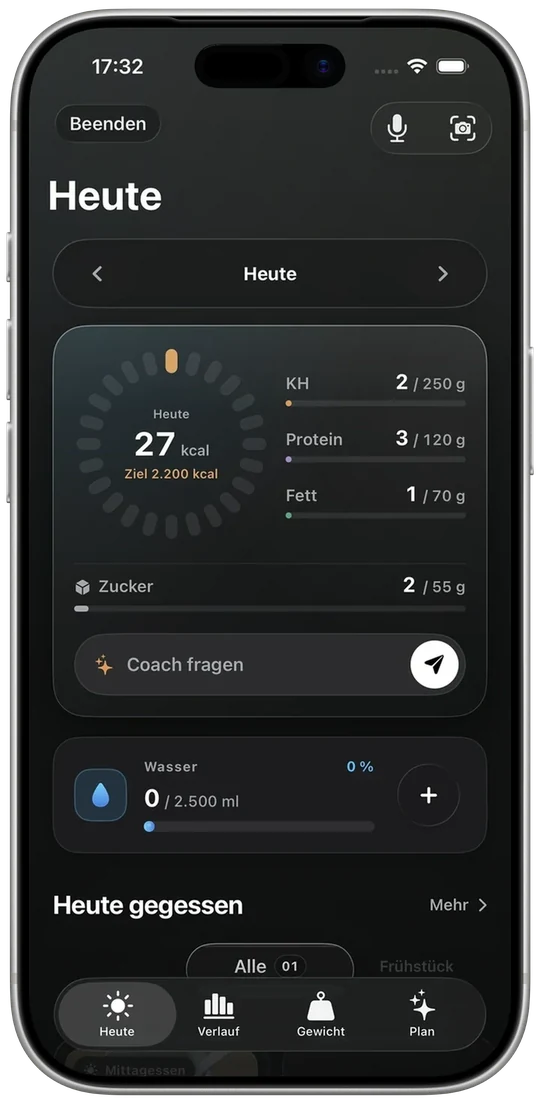
Gearstack Health is a wellness and prevention product, not a medical device. This text does not replace medical diagnosis, treatment or emergency care.
AI-assisted, reviewed by Kristijan Bezjak, founder of Gearstack.