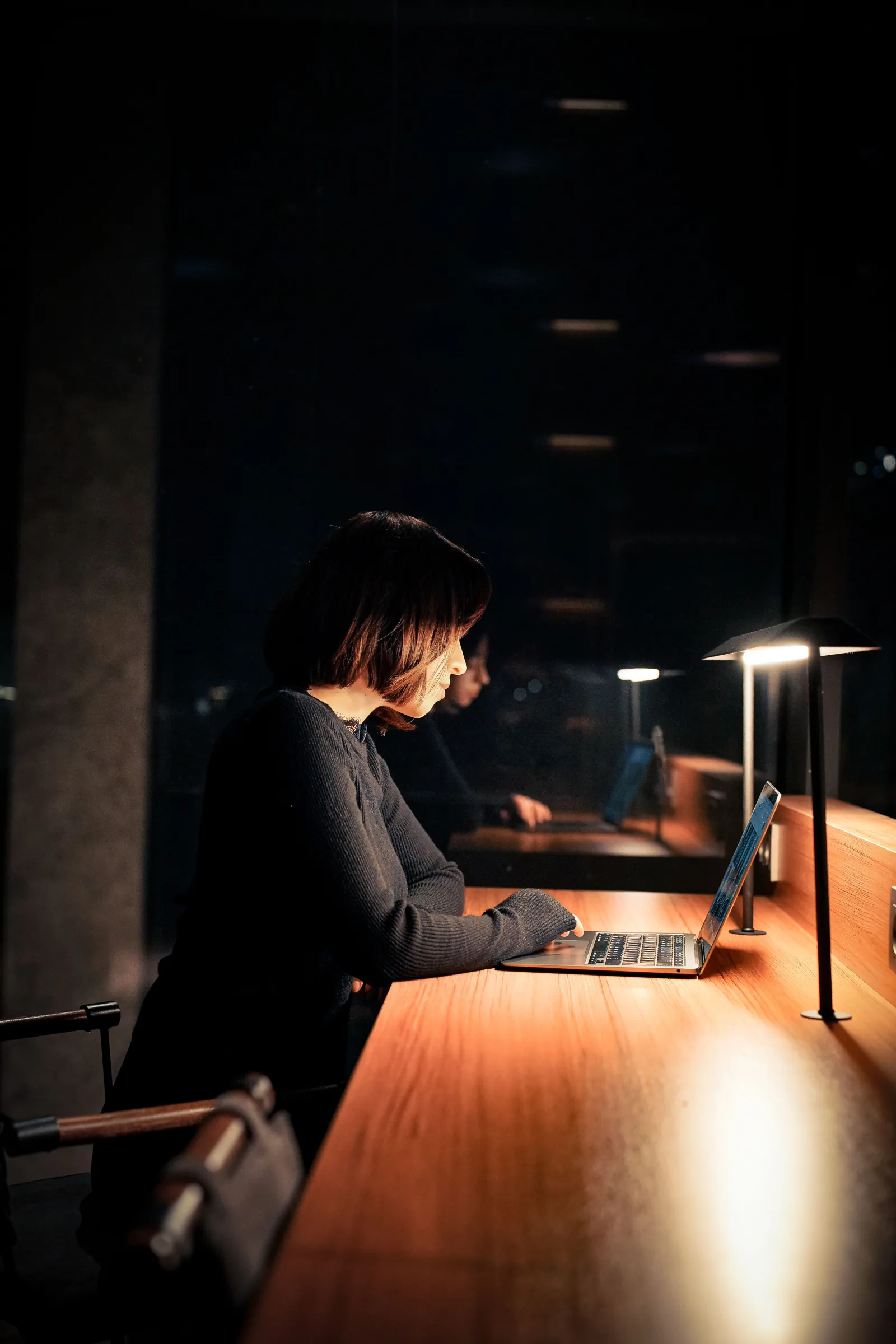
Sleep advice almost always assumes a regular day. On rotating shifts that assumption does not hold. This guide collects what still works under a changing roster and what you can safely ignore.
Why the rhythm tips over
Your body runs an internal clock that mainly takes its cue from light and steers the day through hormones, core temperature and alertness. That clock can be shifted, but slowly: without deliberate light management, roughly half an hour to an hour per day. A roster that moves from early to night within a week demands a shift of eight to twelve hours. The internal clock cannot do that, so you work against it. That is the core of the problem, and it cannot be optimised away, only cushioned.
Light is the strongest lever
If you use only one control, use light. Bright light at the start of your waking phase tells the internal clock it is day, and darkness at the end prepares sleep. In practice: sunglasses on the way home after a night shift, even if it looks silly, and blackout at home without exceptions. Before a night shift, the opposite, as much bright light as you can get to wake up. Those two measures cost nothing and work better than any supplement.
Set anchors around what can stay fixed
A fully regular rhythm is not achievable on rotating shifts. Anchors are: things that happen at the same time regardless of the roster. A fixed meal, a fixed walk, a fixed slot for exercise. Those anchors give the internal clock reference points even while sleep moves around. A fixed wake time on days off is especially effective, rather than doing something different on every free day.
Sleep after a night shift
Two patterns hold up. Either sleep straight after the shift but shorter, roughly four to five hours, and add one to two hours in the late afternoon. Or sleep briefly after the shift and place the main block in the late afternoon when another night shift is coming. Which pattern fits is individual. What matters is committing to one instead of improvising daily. Split sleep here is not a fallback, for many shift workers it is the more sustainable solution.
Caffeine and timing
Caffeine lasts longer than most people assume: on average only half is cleared after four to five hours, and the spread between people is wide, from around two to over ten hours. For a night shift that means the last cup belongs in the first half of the shift, not the last hour. Drinking coffee at six in the morning to make it home is paid for with worse daytime sleep. For many people a twenty minute nap before the shift starts works more reliably than another cup.
What is realistic
Honestly: rotating shifts stay a burden, even with a good routine. The goal is not to match the sleep of someone on a regular day, it is to remove the avoidable damage. Getting light, anchors, a fixed sleep pattern and caffeine timing under control captures most of what is available. Persistent exhaustion despite all of that, falling asleep at the wheel or lasting low mood belong to a doctor, not to further routine tuning.
Common questions
- On days off, should I switch to a day rhythm or keep the shift rhythm?
- For short blocks of one or two night shifts it usually pays to stay closer to a day rhythm, because the switch does not earn its cost. For longer night blocks it is better to roughly keep the shifted rhythm on days off too, otherwise you adapt twice.
- Are sleep masks and earplugs really necessary?
- For daytime sleep, usually yes. Daylight and everyday noise block exactly the deep phases you are trying to catch up on. Darkness matters more than sound damping, and a blacked-out flat beats a mask.
- What about melatonin?
- That is a question for medical advice and it is regulated differently from country to country. Without professional guidance the timing is hard to get right, and badly timed intake can deepen the shift instead of easing it.
For companies and clinics: Making shift-work load readable
Sources
Gearstack Health
Your numbers in context
Gearstack Health turns HRV, sleep and training into a daily readiness view with clear next steps.
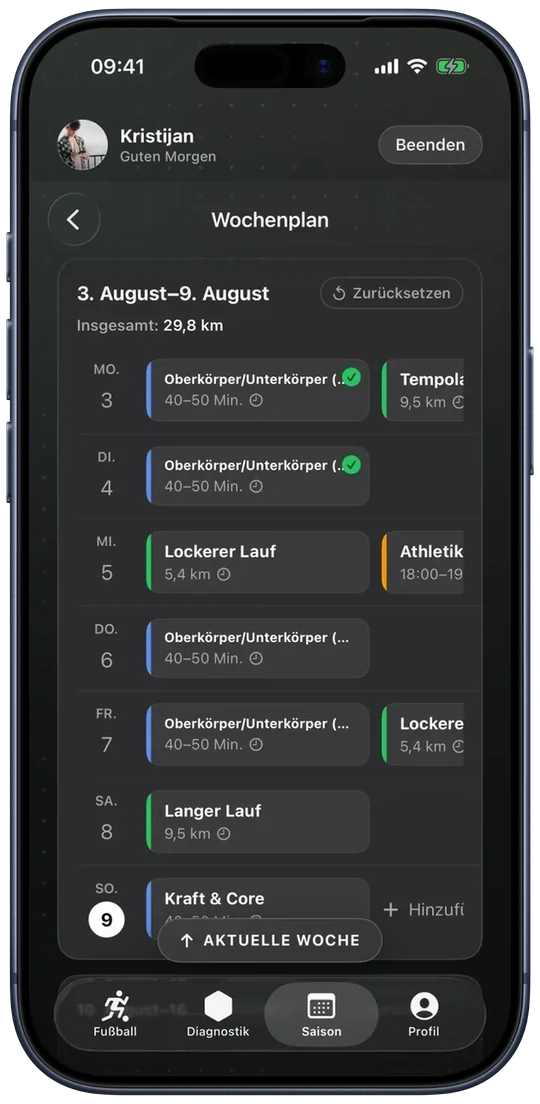
Gearstack Health is a wellness and prevention product, not a medical device. This text does not replace medical diagnosis, treatment or emergency care.
AI-assisted, reviewed by Kristijan Bezjak, founder of Gearstack.