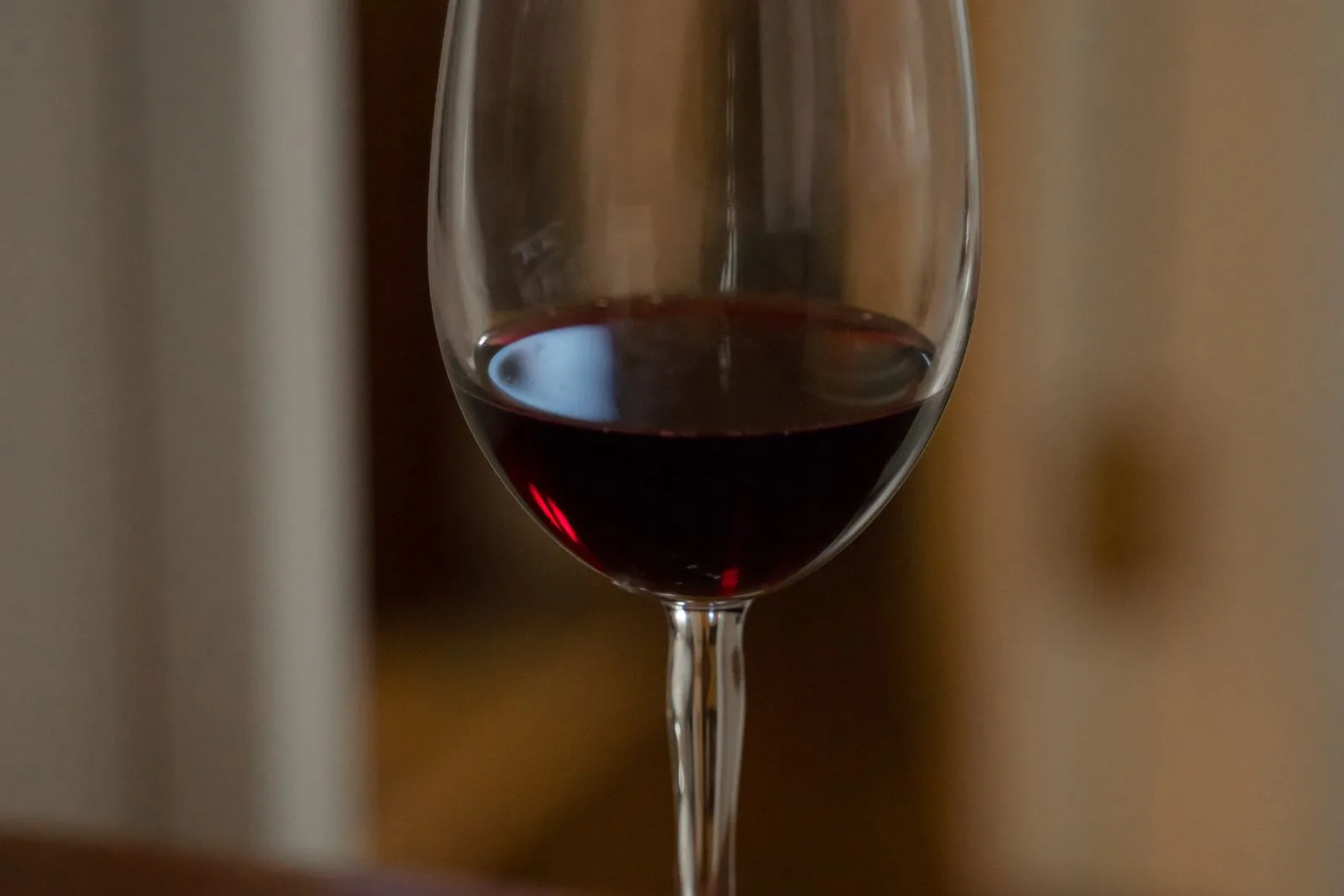
The evening was good, and so was the glass of wine. In the morning your watch shows lower HRV and a higher resting heart rate than usual, even though you feel you slept well. This pattern is one of the most consistently documented relationships in wearable data. The mechanism behind it is quickly explained, and it helps you read your numbers correctly and decide consciously when an evening is worth its price.
What happens at night while your body clears alcohol
Alcohol feels relaxing at first, but clearing it is work. While the liver metabolizes alcohol, the sympathetic nervous system stays more active than in a sober night: heart rate runs higher and heart rate variability lower, most clearly during the first hours after falling asleep. That is exactly the window in which many watches collect a large share of the data behind the next morning value. A striking reading after a social evening is usually a visible record of that overnight clearing work.
Dose matters, and the relationship is close to linear
An observational study of 4,098 Finnish employees compared nights with and without alcohol in the same people, using continuous beat-to-beat heart recordings. A recovery share computed from heart rate and HRV during the first three hours of sleep fell on average by around 9 percentage points after low doses of up to roughly one drink, by 24 points after moderate doses, and by 39 points after high doses. The relationship was approximately linear with the amount and appeared in active and inactive, younger and older participants alike. There is no documented threshold below which alcohol stays invisible in the data; smaller amounts simply leave smaller traces on average.
Why the night can still feel fine
Alcohol often shortens the time it takes to fall asleep, and after a long day that feels like a win. Sedation, however, is not the same thing as restorative sleep. In the second half of the night, once most of the alcohol has been cleared, sleep frequently becomes more restless and fragmented. Recent analyses of smartwatch data also show elevated nocturnal resting heart rates after drinking across age and sex groups. The subjective feeling in the morning can mask this arithmetic. Putting both side by side, how you feel and what the night actually measured, gives a more honest picture than either source alone.
How to see your personal response in the trend
Study averages say little about how strongly your body reacts. You can observe that without rebuilding your routine: on evenings with alcohol, note roughly how much you drank and when the last glass was, then compare several such nights with several sober nights from similar phases of the week. Look beyond HRV at resting heart rate, awakenings and how you actually feel the next day. The important part is not changing other factors at the same time, such as very late meals or unusual training times, otherwise the explanations blur into each other.
Decide consciously instead of banning by default
The data points to a few practical levers. An earlier last glass gives your body more hours to clear alcohol before the night begins. Water between drinks reduces the total almost as a side effect. Before an important training day or competition, a sober evening is the safest choice, because that night’s recovery feeds directly into the next day’s capacity. And as a sleep aid, alcohol does not hold up over time, because it disturbs exactly the sleep it seems to give. If you notice that winding down regularly requires alcohol, the best move is an open conversation with a doctor.
Common questions
- How many hours before bed should the last glass be?
- There is no safe universal number, because amount, body weight and metabolism interact. As a rule, earlier and less means a smaller trace in the night. Test your own spacing across several comparable evenings rather than relying on someone else’s rule of thumb.
- My watch barely shows anything after two glasses. Am I insensitive to it?
- Not necessarily. Studies report averages around which individuals vary widely. Your response may also live in numbers you are not watching, such as resting heart rate or awakenings in the second half of the night. Looking at several nights and several metrics tells you more than a single score.
Sources
- Acute effect of alcohol intake on cardiovascular autonomic regulation during the first hours of sleep in a large real-world sample of Finnish employees
- Real-world effects of alcohol on heart rate, sleep, and physical activity by age and sex
- The impact of alcohol on sleep physiology: a prospective observational study on nocturnal resting heart rate using smartwatch technology
Gearstack Health
See what your evenings do to your nights
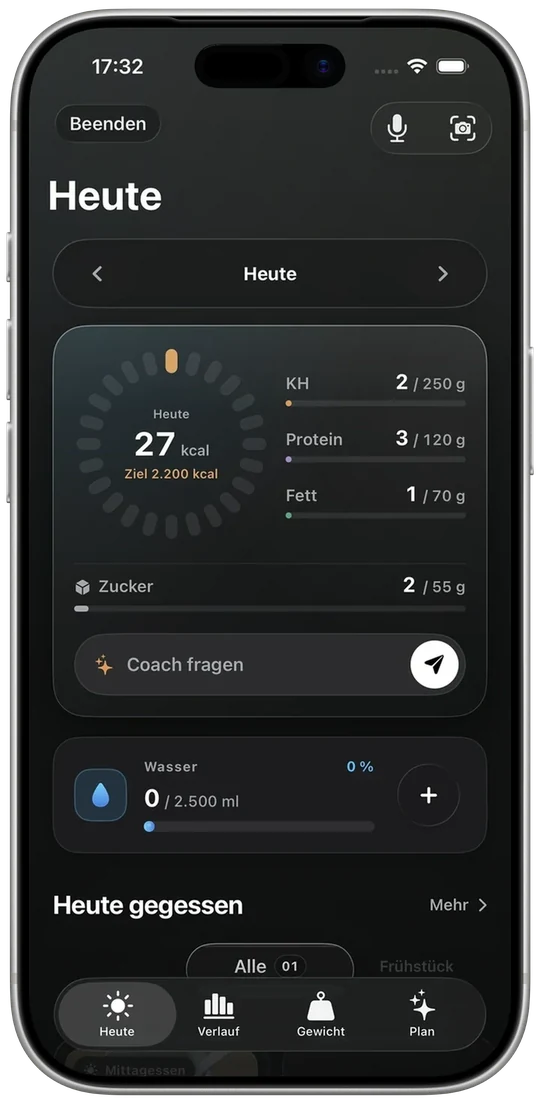
Gearstack puts HRV, resting heart rate and sleep on one timeline, so you can see how your body responds to individual evenings and when it is back on track.
Gearstack Health is a wellness and prevention product, not a medical device. This text does not replace medical diagnosis, treatment or emergency care.
AI-assisted, reviewed by Kristijan Bezjak, founder of Gearstack.