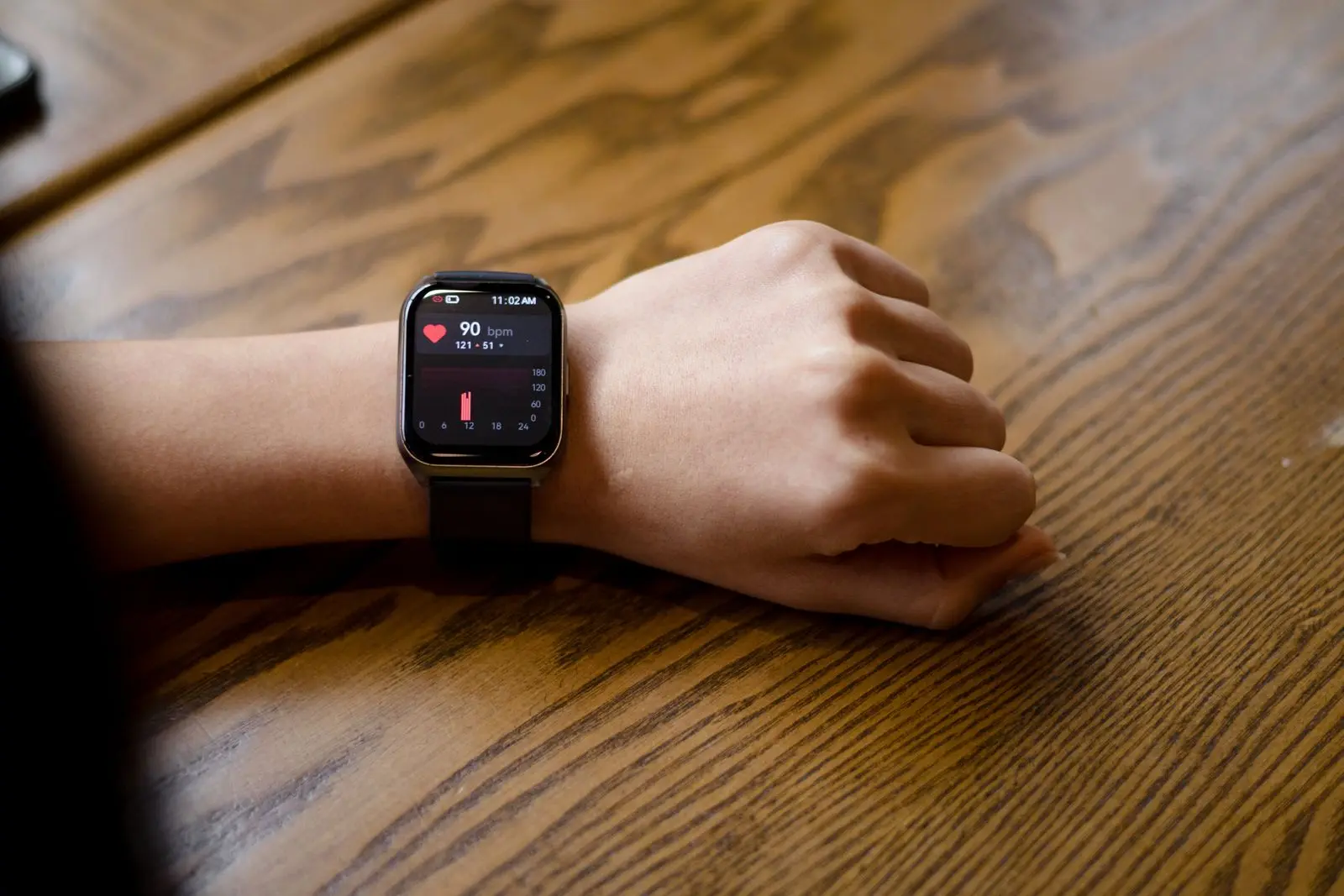
Almost everyone who sees an HRV number for the first time goes looking for a chart. On its own the number is close to meaningless, because the spread between healthy people is wider than the difference between a good and a bad day. This guide covers the ranges studies report, what age does to them, and what to read instead.
Why one normal number does not exist
Heart rate variability describes how much the intervals between heartbeats fluctuate. That fluctuation comes out of the interplay between accelerator and brake in the autonomic nervous system, and how far that swings in you depends on genetics, age, training state, body composition and your breathing at the moment of measurement. Two equally healthy people can differ by a factor of three without either having a problem. That is why serious work never states a target, only a range.
The ranges studies report
A synthesis of 44 investigations covering more than 21,000 healthy adults puts RMSSD, the metric most apps display, at roughly 42 milliseconds on average with a normal span of about 19 to 75. SDNN averages around 50 with a span of 32 to 93. Those are short resting measurements. Values from overnight recordings usually sit higher, because the body is deeper into recovery during sleep. Reading 70 at night and 35 during the day is not a contradiction, it is two different situations.
What age does to it
The age effect is the one factor that comes out the same in practically every study: variability declines across the decades, steadily and without a cliff. Analyses of healthy adults put overnight values at roughly 55 to 105 milliseconds for people in their twenties and around 25 to 50 for people near sixty. That is not decline in the medical sense, it is ordinary physiology. Practically: compare yourself to people of your decade, or better, do not compare at all.
Why your device disagrees with the chart
Nearly all reference values come from ECG recordings over five minutes at rest. Your watch measures optically at the wrist, often across a whole night, with its own filters and its own way of handling outliers. Some vendors show a nightly average, others the last sleep cycle, others a smoothed weekly figure. Between two vendors an HRV value is therefore not comparable, even when both print milliseconds. Within one source the trend absolutely is.
Your baseline beats any chart
Because the spread between people is so wide, the only useful comparison is with yourself. Take two to four weeks of ordinary days as your ground truth and look at where your value usually sits and how far it scatters. From then on the question is no longer whether 45 is good, but whether 45 is high, normal or low for you. The scatter matters as much as the level: someone steady between 40 and 50 is in a different place than someone bouncing between 25 and 65, even if both average 45.
When the number really says something
HRV becomes informative on deviations that last several days and line up with other signals: elevated resting heart rate, poor sleep, the sense that familiar sessions feel harder. A single low morning after a late dinner, a glass of wine or a short night is exactly what a healthy system should do. It reacts. Cancelling training over that one value means misreading the metric. Sitting clearly below your baseline three days running is worth a look.
Common questions
- My HRV is 30. Is that bad?
- Without your age, when it was measured and your usual range there is no answer. Thirty can be a normal overnight value at sixty and a low one at twenty. Collect two to four weeks and you have the only comparison that holds.
- Can I raise my HRV on purpose?
- Indirectly. Regular sleep, moderate endurance work, less alcohol and stable meal times lift the level for most people over weeks. A value that jumps twenty milliseconds overnight almost always comes from the measurement situation rather than a change in your body.
- Why is my HRV higher at night than in the morning?
- In deep sleep the brake side of the autonomic system works hardest, so the intervals between beats spread out. The moment you get up the accelerator takes over. Both numbers are correct, they describe different states, which is why they do not belong on the same curve.
Sources
Gearstack Health
Your numbers in context
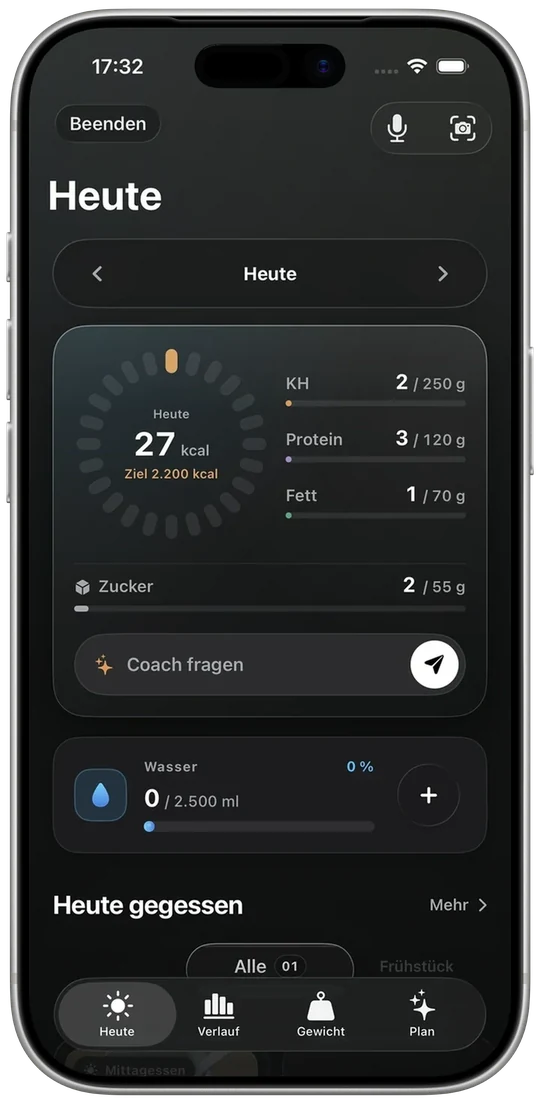
Gearstack Health turns HRV, sleep and training into a daily readiness view with clear next steps.
Gearstack Health is a wellness and prevention product, not a medical device. This text does not replace medical diagnosis, treatment or emergency care.
AI-assisted, reviewed by Kristijan Bezjak, founder of Gearstack.