
Most people are alarmed the first time they track HRV every night: 62, then 48, then 71 again. It looks like a broken sensor. It is the normal case. This guide sorts out which variation belongs there and which one is telling you something.
A single reading is almost never interesting
HRV is one of the noisiest numbers your watch collects. Deviations of twenty to forty percent from your own average are common in healthy people without anything in their life having changed. The reason sits in the nature of the measurement: you are capturing the state of a control system that reacts continuously to temperature, digestion, hormones, noise and thoughts. A reading is a snapshot of that system, not a fixed measurement like your height. So the first and most important rule is this: never look at a single night, always look at the trend across at least a week.
It rises across the night
HRV is not constant through the night. In the first hours, while your body is still shedding heat and digestion is running, it sits lower. Toward morning, after several deep sleep phases, it usually reaches its peak before dropping again as you wake. That is also why the reported value depends on which window an app uses. An average across the whole night gives a different number than a reading from the first hour. Compare values only within the same source, and do not be surprised when a second app reports something else for the same night.
Alcohol is the most reliable disruptor
If you want to make one effect visible in your own data, alcohol is the easiest. Two drinks in the evening measurably lower nightly HRV, often more than a hard training session does. The body processes alcohol over hours, the sympathetic side stays active, heart rate sits higher and variability drops. The effect is usually clearest in the first half of the night. A late, heavy dinner and a warm bedroom work in the same direction, if less strongly. Anyone who has seen that pattern in their own trend does not need a study to believe it.
Infection, cycle, travel
Some deviations announce something. A clear drop across two or three nights, together with an elevated resting heart rate, often precedes a noticeable infection. In women, HRV also follows the cycle: in the second half it frequently sits lower because core body temperature is higher, without anything being wrong. Time zones, altitude and unfamiliar beds shift the values for a few nights too. None of that is a measurement error. It is exactly what the number is meant to show, that your system is busy with something.
When a deviation counts
A workable rule of thumb: only when your value sits clearly below your seven-day average for two to three consecutive nights is it worth thinking about. Single outliers in either direction can be ignored. Duration matters more than depth. One night at eighty percent of your average after a long day is unremarkable. Five days at eighty percent during an otherwise quiet stretch is a signal that recovery is not happening.
The most common mistake
The damage rarely comes from a low HRV. It comes from the reaction to it. Checking the number every morning and rebuilding the day around it mostly means reacting to noise, and it adds stress of its own. The number is designed to be read as a weekly picture, not as a daily order. If you take one habit from this: look at the trend once a week instead of the point every morning. And if the values stay low while you are genuinely resting, that is a reason to talk to a doctor, not to measure again.
Common questions
- My HRV was extremely low for one night. Should I worry?
- Not on a single reading. Isolated outliers come from poor sensor contact, restless sleep, alcohol or a late meal. It gets interesting only when several nights in a row sit below your average and resting heart rate climbs at the same time.
- Why is my HRV different at weekends?
- Usually later bedtimes, alcohol and longer mornings. The time you fall asleep shifts how sleep stages are distributed, and that shifts variability with it. A steadier rhythm shows up as calmer numbers.
- Can the watch measure HRV incorrectly?
- It can skip nights or return noisy values if the band is too loose, your skin is very cold or you move a lot. A band tight enough not to slide but not pressing solves most of those cases.
Sources
Gearstack Health
Your numbers in context
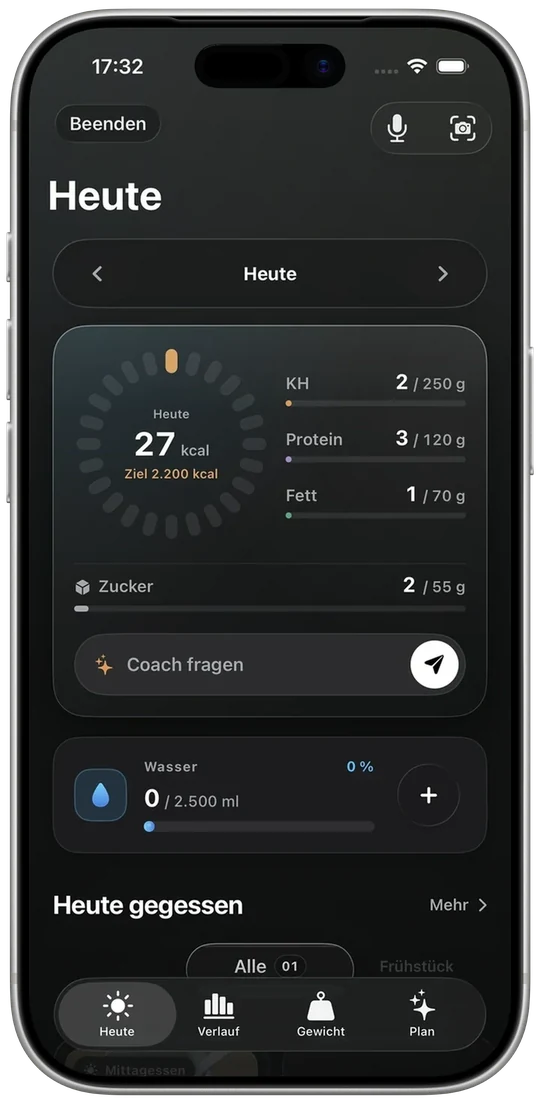
Gearstack Health turns HRV, sleep and training into a daily readiness view with clear next steps.
Gearstack Health is a wellness and prevention product, not a medical device. This text does not replace medical diagnosis, treatment or emergency care.
AI-assisted, reviewed by Kristijan Bezjak, founder of Gearstack.