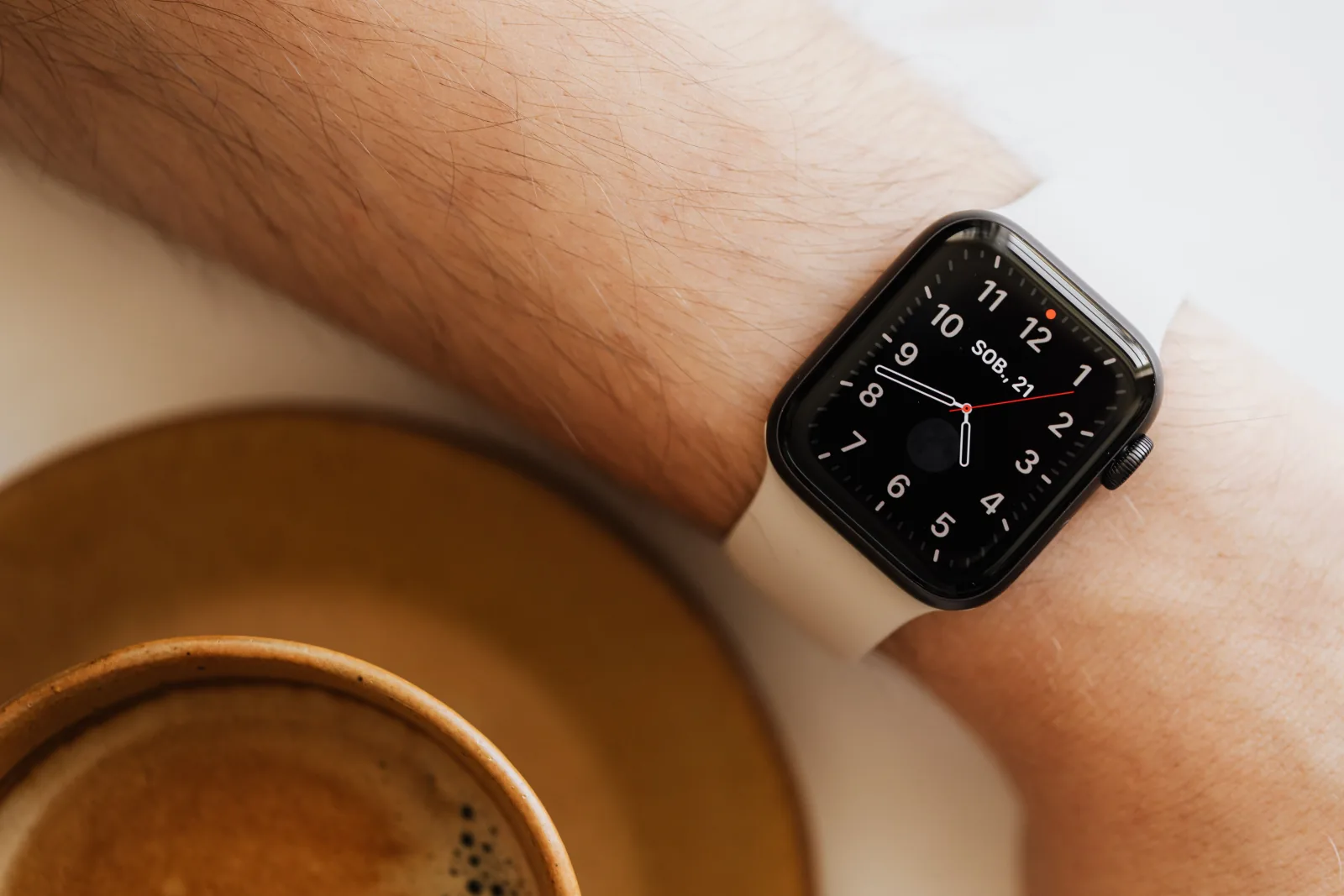
Your first coffee is beside the bed, your watch already shows HRV, and suddenly the number feels less trustworthy. Yet “caffeine distorts HRV” is too broad a claim. Timing, dose, measurement method and whether you are viewing a completed overnight value or taking a fresh reading after coffee all matter. A few consistent rules can keep the trend useful without deleting data whenever you have a cup.
The timestamp comes first
A morning drink cannot travel backwards and alter measurements collected during the previous night. If your morning value is built mainly from data recorded before you got up, the first coffee is not part of that measurement. A short breathing, mindfulness or spot reading taken after breakfast is different: you may be comparing a stimulated state with earlier readings taken before caffeine. That does not automatically make the result wrong, but it makes the conditions different. Check the period behind the number before treating caffeine as its explanation.
Caffeine does not simply push HRV down
The acute direction is less predictable than the common story suggests. In a small randomized crossover study of 30 young, healthy male habitual users, 100 or 200 milligrams of caffeine did not significantly change the resting HRV measures studied during the following 90 minutes. Another randomized study of 21 young men used a specific delayed-release caffeine protocol during sleep and found higher high-frequency HRV alongside lower EEG delta activity. In that setting, a higher HRV component did not automatically mean better sleep. These small, narrow studies cannot define a rule for everyone. They mainly show why “coffee equals lower HRV” is not a reliable correction formula.
Yesterday’s caffeine may enter through sleep
For an overnight morning value, caffeine before sleep often matters more than the cup after it. In a placebo-controlled crossover trial of 23 men, 100 milligrams taken four to twelve hours before bed did not significantly alter measured sleep. A single 400-milligram dose, however, delayed sleep initiation and changed sleep architecture when taken within twelve hours of bedtime; within eight hours it also increased fragmentation. Participants did not always perceive the objective changes accurately. This is not a universal clock-time rule. It shows that dose and timing belong together, and that sleep may be the pathway through which late caffeine appears in the next morning’s context.
Find your cut-off with a clean comparison
If you suspect a connection, do not change coffee, training and bedtime at once. Measure for ten to fourteen days under reasonably similar conditions and make a brief note of your last caffeine time, estimated amount and unusual factors such as alcohol, illness or very late exercise. For the next series, move only the final caffeinated serving earlier or reduce it. Compare several nights rather than individual peaks, including sleep duration, awakenings, resting heart rate and how you feel. This is a personal observation exercise, not a test for disease and not proof of cause and effect.
Keep the morning value useful
For a standardized short morning reading, the simplest sequence is to sit quietly and measure before coffee. With automatically collected overnight values, keep the reading and mark late caffeine only as possible context instead of discarding it. Do not rebuild a training day around one outlier. If a pattern appears across several comparable days, adjust timing or dose and observe again. Palpitations, chest pain, fainting, breathing difficulty or other distressing symptoms need medical assessment regardless of HRV or caffeine.
Common questions
- Do I need to avoid coffee for a useful HRV reading?
- Not necessarily. For a short morning reading, a consistent sequence before your first coffee helps. An overnight value already collected remains separate in time. Comparable conditions and the trend matter more than complete abstinence.
- How many hours before sleep should I stop caffeine?
- The studies do not establish one universal number. Higher doses can affect sleep earlier than smaller ones, and responses differ between people. Test a realistic personal cut-off across several nights rather than deriving a fixed limit from one HRV deviation.
Sources
Gearstack Health
Separate the morning signal from daily noise
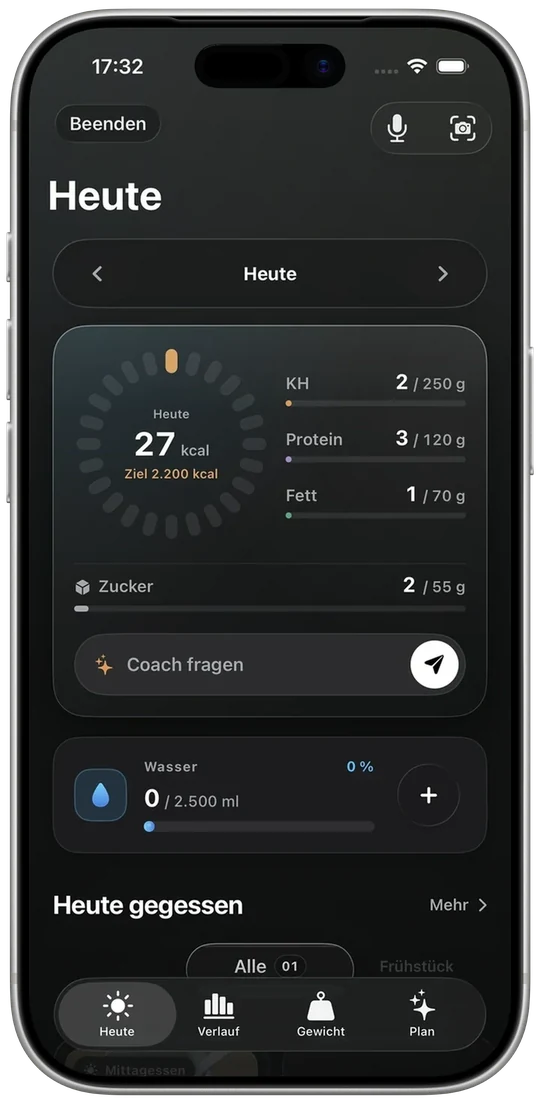
Gearstack places HRV, resting heart rate, sleep and daily readiness on one timeline, helping you see whether a reading stands alone or belongs to a repeated pattern.
Gearstack Health is a wellness and prevention product, not a medical device. This text does not replace medical diagnosis, treatment or emergency care.
AI-assisted, reviewed by Kristijan Bezjak, founder of Gearstack.